
Timber
Dry Rot
Dry rot (Serpula lacrymans) is the most serious form of timber decay found in UK buildings, and can spread through masonry as well as timber if left untreated.
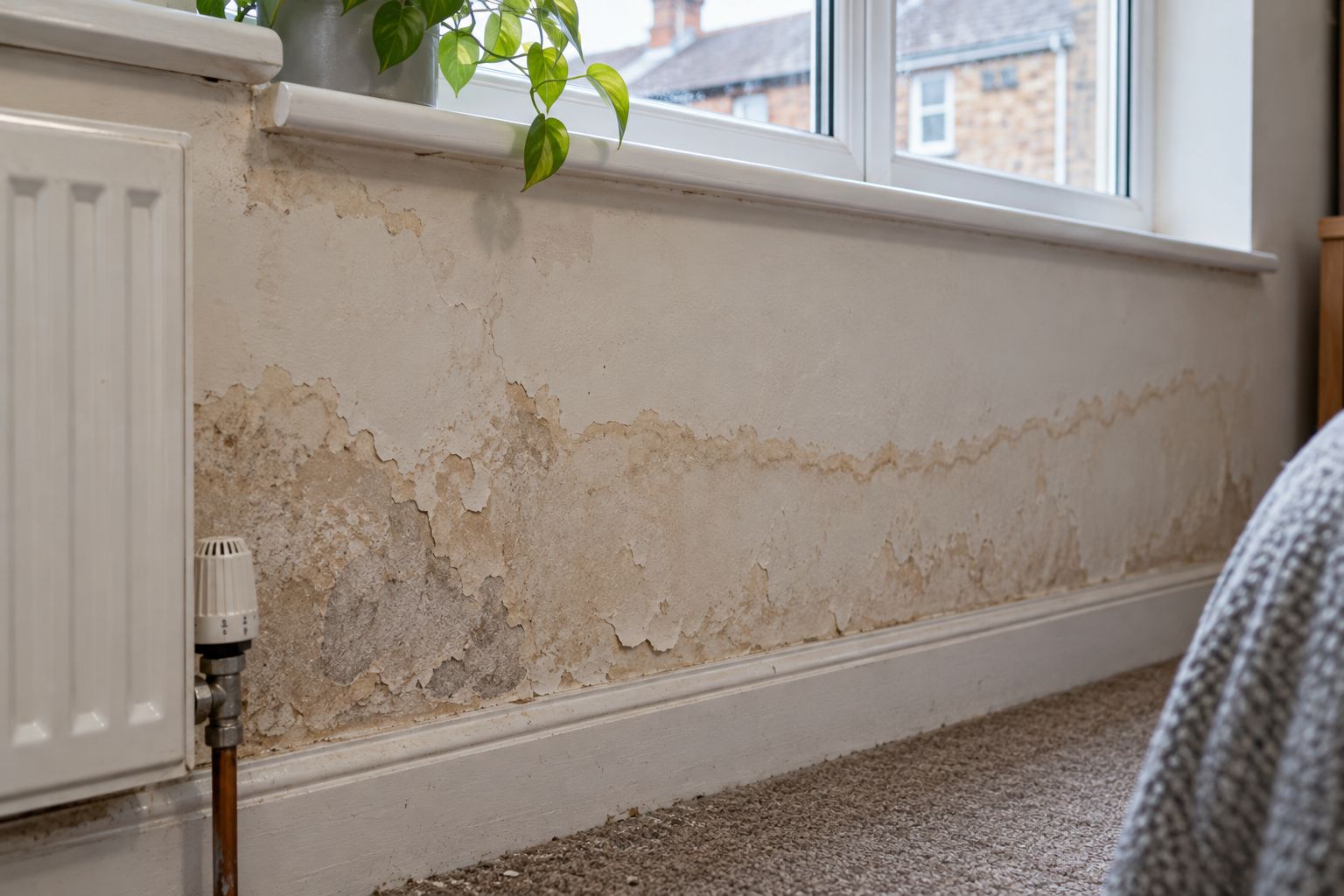
Why dry rot is treated as a priority
Unlike wet rot, dry rot doesn't need continuously wet timber to spread: once established, it can extend through masonry and behind plaster in search of new timber to attack. It typically starts where timber has had prolonged contact with damp, often in poorly ventilated voids, and needs prompt, thorough treatment once confirmed to stop it spreading further.
Common signs to look out for
Timber that's cracked in a distinctive cuboidal pattern and shrunken
A strong, damp mushroom-like smell
Fine reddish-brown spore dust on surfaces nearby
Grey, cotton-wool-like fungal strands (mycelium)
Timber that's noticeably lighter and crumbles under light pressure
Decay appearing to spread beyond the immediate timber into masonry

How We Help
How we confirm and treat dry rot
Confirming the extent of an outbreak (including any spread beyond the visibly affected timber) is central to treating it properly.
- Positive identification of dry rot versus other decay types
- Tracing the full extent of the outbreak, including hidden or spread areas
- Removal of severely affected timber and appropriate fungicidal treatment
- Addressing the moisture source that allowed the outbreak to establish
What our customers say
“Excellent communication from my first phone call onwards. I received sensible advice, a clear explanation of the moisture readings and a proper recommendation rather than being pressured into making a decision there and then.”
Rebecca · Harrogate
“From the first call it felt professional. The chap who attended was friendly, took plenty of readings and didn't rush. Most importantly, he explained why the damp was happening rather than just telling us what product he wanted to put on the wall.”
Laura · Moortown, Leeds
Book a Survey
Get a clear answer, not a guess.
Book a DAMPCORE damp survey and find out exactly what's happening in your property.
Frequently asked questions
How urgent is dry rot treatment?
Can dry rot come back after treatment?
Related services
Concerned about this in your property?
Start with a professional assessment and understand exactly what you're dealing with.