
Advice
Why does mould keep coming back?
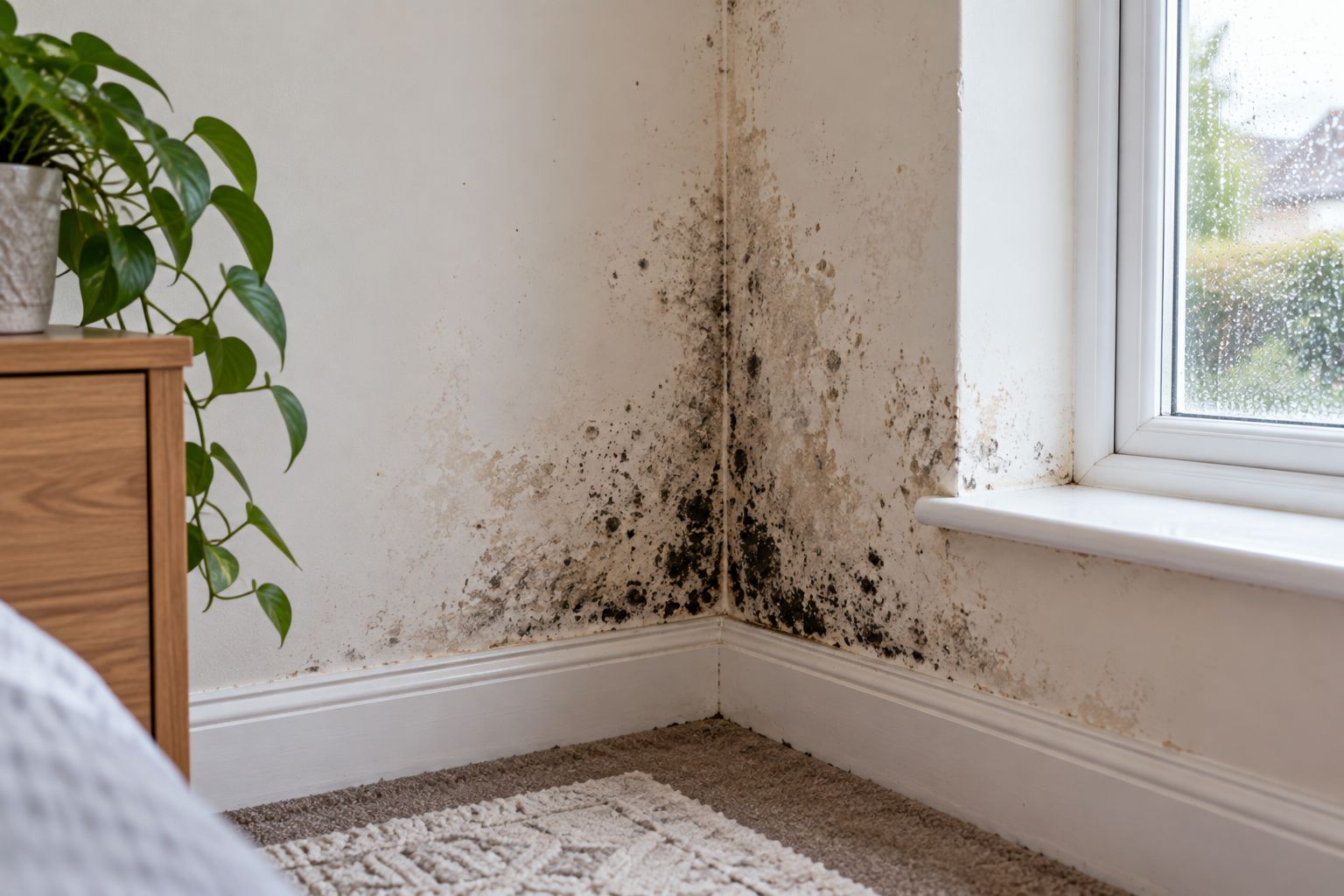
Cleaning treats the symptom, not the cause
Mould needs a damp surface to establish itself, and mould spores are present in almost all indoor air, waiting for the right conditions. Wiping or bleaching away visible growth removes what you can see, but if the surface is still getting damp enough (through condensation, a leak, or another moisture source), spores will simply recolonise it, often within a matter of weeks.
The usual culprit: condensation
In most UK homes, recurring mould: particularly in corners, around windows, or behind furniture pushed against an external wall: is caused by condensation. Moisture generated by cooking, showering and everyday living meets a cold surface and condenses, and if ventilation isn't sufficient to clear that moisture, the same spots stay damp enough for mould to keep returning.
But not always: other causes to rule out
Recurring mould can also point to a slow, ongoing leak, penetrating damp entering through the building fabric, or rising damp in a lower-level room. These need a different fix to a ventilation-related condensation problem, which is why persistent mould is worth having properly assessed rather than just cleaned again.
What actually stops mould coming back
Long-term control means addressing the moisture source itself: improving ventilation and reducing cold-surface risk where condensation is the cause, or repairing the entry point where it's a leak or penetrating damp. Only once that's done does cleaning the existing mould actually stick.
Frequently asked questions
Will an extractor fan alone fix it?
Is it worth painting over mould with anti-mould paint?
Want a definitive answer for your property?
A DAMPCORE damp survey establishes the actual cause on-site.