
Advice
What's causing damp on an internal wall?
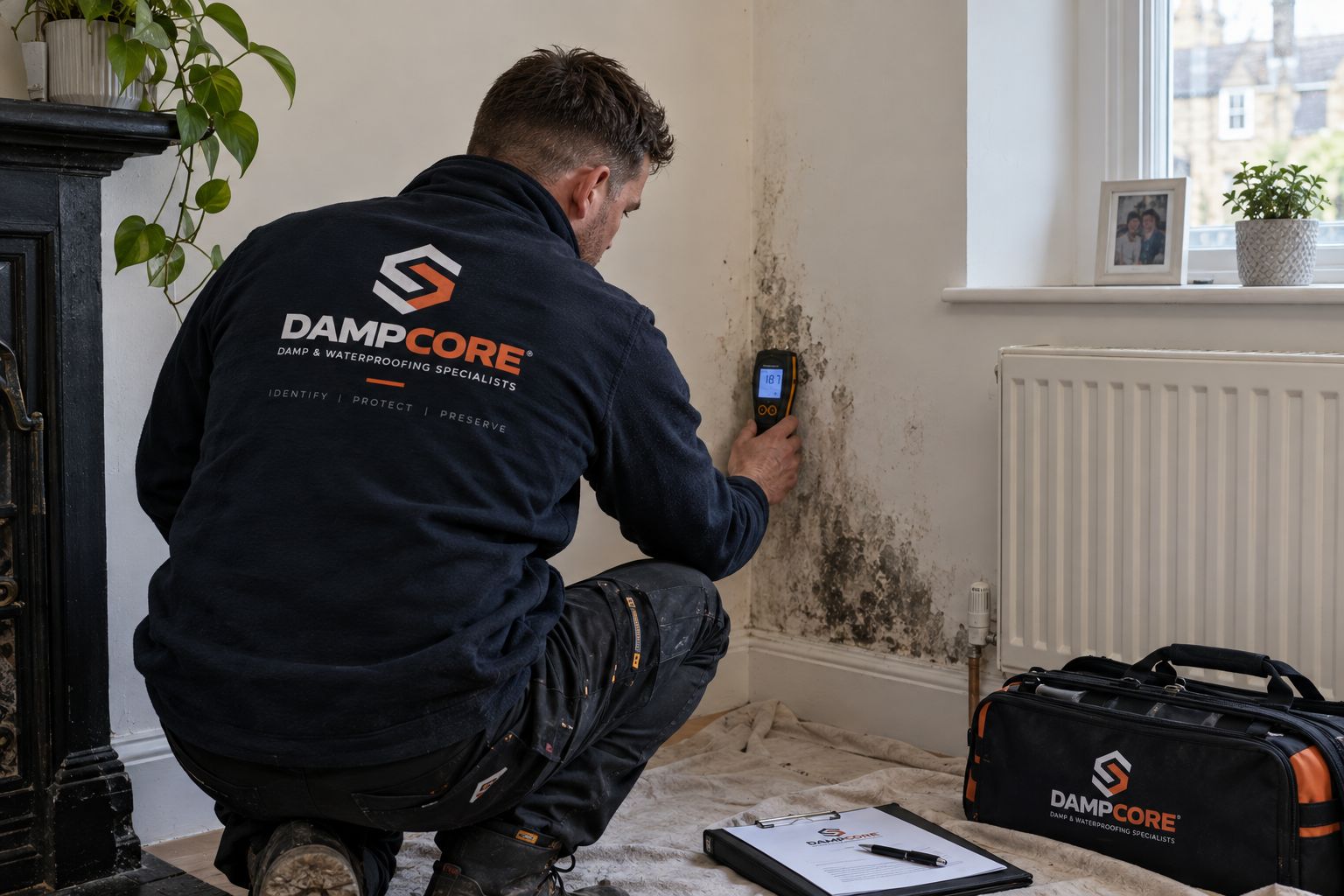
Internal walls face different risks to external ones
An internal (party or partition) wall isn't exposed to the weather or the ground in the same way an external wall is, so when it's damp, the cause is often different: a leaking pipe within the wall or floor void, condensation forming on a cold surface backing onto an unheated space, or moisture travelling through from an adjoining external wall or chimney breast.
Start by checking what's on the other side
If the damp wall backs onto a bathroom, kitchen, or an unheated room such as a garage, plumbing or condensation are worth considering first. If it's actually the internal face of what is, structurally, an external or party wall (common with chimney breasts), the same causes that affect external walls (penetrating or rising damp) can still apply.
Signs that point towards a plumbing leak
A damp patch that appeared relatively suddenly, is localised rather than spread across the wall, and doesn't correlate with weather, is more consistent with a hidden leak than with rising or penetrating damp: both of which tend to develop more gradually and follow their own characteristic patterns.
Why this still needs an on-site look
Because internal wall dampness can stem from several genuinely different sources (some of which need a plumber rather than a damp specialist), accurately tracing the cause usually means combining moisture readings with a look at what's on the other side of the wall, and sometimes at the wider property's construction.
Frequently asked questions
Could it just be condensation?
Should I call a plumber or a damp specialist first?
Want a definitive answer for your property?
A DAMPCORE damp survey establishes the actual cause on-site.