
Advice
Awaab's Law explained: what it means for landlords and tenants
A plain-English guide to what Awaab's Law actually requires, who it covers today, and what's changing next: written for landlords, letting agents and tenants trying to work out where they stand.
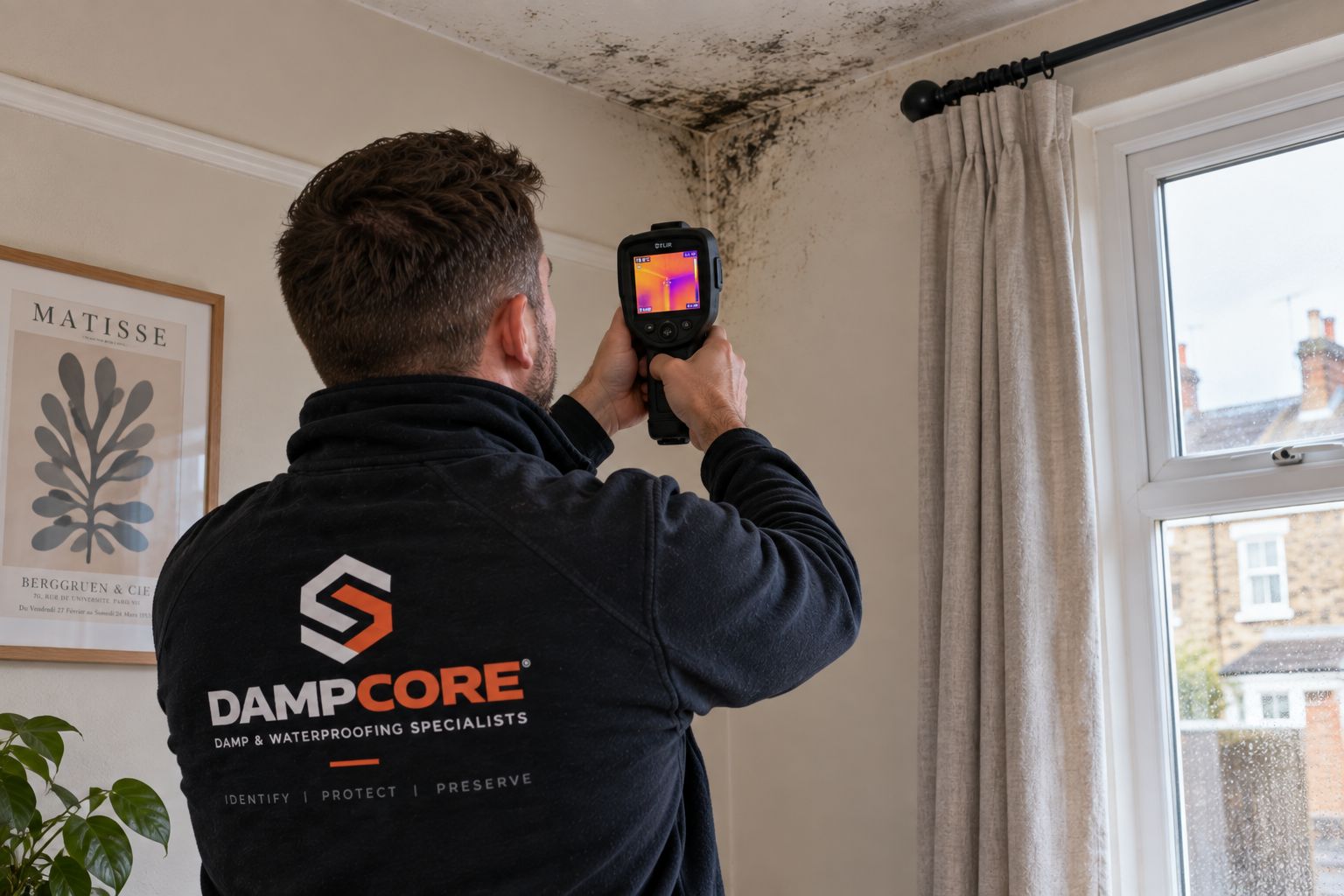
What is Awaab's Law?
Awaab's Law is a set of legally binding repair deadlines for housing hazards, named after Awaab Ishak, a two-year-old boy who died in Rochdale in 2020 after prolonged exposure to mould in his family's social housing flat. It amends the Social Housing (Regulation) Act 2023 to write fixed response times directly into social tenancy agreements, so a landlord's obligation to act on a serious hazard is no longer just guidance or good practice: it's an enforceable term of the tenancy itself.
Who does it apply to right now?
As things stand, Awaab's Law only applies to social housing: properties let by local councils and housing associations. It's being introduced in phases rather than all at once, with coverage widening each year.
- Phase 1, from 27 October 2025: damp, mould and emergency hazards of any kind are covered.
- Phase 2, during 2026: excess cold or heat, falls, structural collapse, fire and electrical hazards, and hygiene hazards are added.
- Phase 3, expected 2027: coverage is intended to extend to nearly every hazard category under the Housing Health and Safety Rating System (HHSRS), the official framework used to assess how dangerous a housing condition is.
The exact deadlines for damp and mould
For social tenants, damp and mould already carry hard, specific clocks. These aren't targets to aim for: they're the deadlines the law currently sets.
- Emergency hazard (imminent, serious risk of harm): investigate and make safe within 24 hours.
- Significant hazard, investigation: must begin within 10 working days of the landlord becoming aware of it.
- Written findings to the tenant: must be given within 3 working days of that investigation concluding.
- Safety works: must start within 5 working days of the investigation concluding.
- Preventative work: should also start within 5 working days, or within 12 weeks if a later start is reasonable and genuinely unavoidable.
What counts as an emergency, versus a "significant" hazard?
The law asks whether the hazard presents a significant risk of harm, not simply how large a damp patch looks. Government guidance is explicit that a landlord shouldn't assume a tenant's lifestyle or habits caused the problem before investigating properly, and that who lives in the property matters: a household with young children, someone who is pregnant, or someone with a respiratory condition can turn what might otherwise be a routine repair into an emergency requiring action within 24 hours.
Does Awaab's Law apply to private landlords?
Not yet. This is the question we're asked most, and the honest answer is straightforward: Awaab's Law currently applies only to social housing. The Renters' Rights Act 2025 creates the legal power to extend the same kind of duty to private landlords, but that needs separate secondary legislation before it actually takes effect, and no implementation date has been confirmed. When it does arrive, government has indicated it intends to mirror the social housing model: a phased rollout, likely starting with damp, mould and emergency hazards, using timeframes similar to the ones already in force for social tenants. It's also worth not confusing this with the Decent Homes Standard, which is being extended to private rentals separately, from 2035: that sets a baseline a property must always meet (free of serious hazards, in reasonable repair, free of damp and mould), rather than a response-time clock that starts once a hazard is reported.
What private landlords are still legally required to do today
"Not covered by Awaab's Law yet" doesn't mean "no legal duty." Private landlords are already bound by other law that covers much the same ground. The Homes (Fitness for Human Habitation) Act 2018 lets a tenant take a landlord to court directly if a property is unfit to live in, damp and mould included. Local authorities can already assess and act on category 1 hazards under the Housing Health and Safety Rating System, which covers damp and mould, and can serve improvement notices or, in serious cases, prohibit a property's use. And under section 11 of the Landlord and Tenant Act 1985, landlords already have an implied duty to keep a property's structure and installations in repair. None of that carries Awaab's Law's specific 24-hour or 10-working-day clocks, but ignoring a serious damp or mould report is already a real legal exposure for a private landlord, law extension or not.
Why private landlords should act as if it already applies
The direction of travel here isn't really in question, only the exact date. Waiting until an extension is confirmed and then scrambling to build a compliance process from scratch is a harder, more expensive position than simply adopting good practice now. Letting agents, mortgage lenders and insurers are increasingly expecting the same standard of documented, prompt response as a matter of course, independent of what's strictly mandated yet. And practically: a dated, written record of investigating and acting on a damp or mould report today is exactly the evidence a landlord would need to show compliance if a similar duty lands on the private sector tomorrow.
How compliance is actually demonstrated
Whether it's already a legal requirement or simply good practice, the substance is the same: a landlord needs to be able to show, with dates, that a report was taken seriously, investigated properly, and acted on. That means an on-site inspection with proper moisture readings (not a guess based on how a patch looks), a written record of what was found and when, and a documented timeline from report through to repair. This is exactly what an independent damp survey provides: it's not a compliance service in itself, but it's the evidence base that any compliance process, current or future, is built on.
What happens if a landlord doesn't comply?
For social landlords, several routes of enforcement now run alongside each other. A tenant can bring a breach-of-contract claim to court, since Awaab's Law deadlines are implied into the tenancy agreement itself; a court can order repairs, award compensation, or require the landlord to cover the tenant's legal costs. The Housing Ombudsman can separately order repairs and compensation, and can publicly name landlords who perform poorly. And the Regulator of Social Housing has strengthened consumer standards it can use to escalate action against providers who repeatedly fail to comply, alongside the reputational damage that tends to follow.
What tenants and letting agents can do
If you're a tenant and a hazard hasn't been dealt with in the timeframes above, put your report in writing if it isn't already, keep a dated record of when you reported it and what response (if any) you got, and escalate to the Housing Ombudsman if your landlord is a housing association or council and isn't responding. If you're a letting or managing agent handling private rentals, there's no legal requirement to follow the same deadlines yet, but building the same evidence trail (a documented survey, a written timeline from report to repair) protects both your landlord clients and your tenants, and puts you ahead of wherever the private sector rules eventually land.
This page is a plain-English summary of Awaab's Law correct at the time of writing, not legal advice, and the law in this area (particularly its extension to private landlords) is still changing. For a specific situation, get advice from a solicitor, Shelter, Citizens Advice, or your local authority's private housing team.
Frequently asked questions
Does Awaab's Law apply to my private rented home?
When will Awaab's Law apply to private landlords?
What's the difference between Awaab's Law and the Decent Homes Standard?
What counts as a "significant" damp or mould hazard?
My child has asthma and we have mould in the property, does that change anything?
Can my landlord blame me for causing the damp or mould?
I've reported damp to my housing association weeks ago and nothing's happened. What can I do?
Does Awaab's Law cover all types of disrepair?
Are letting agents responsible under Awaab's Law?
What evidence should a landlord keep to show they've complied?
Is a damp survey enough to prove compliance under Awaab's Law?
Will Awaab's Law eventually cover every type of housing hazard?
Where can I get official, up-to-date guidance rather than a summary?
Want a definitive answer for your property?
A DAMPCORE damp survey establishes the actual cause on-site.